- nobleeyecare28@gmail.com
- No, 2/496 , east coast road , AGS colony, natesan colony, kottivakam, chennai -41
- Call: +91 7550030041
Pediatric Optometrist in Kottivakkam, ECR
Introduction
As a pediatric eye specialist, I often meet parents who are concerned about how their child sees the world and whether their vision is developing normally. Squint, or misalignment of the eyes, is one of the most common issues I encounter in children, and it can have long-term consequences if left untreated. At our Pediatric Clinic in Kottivakkam, we focus on comprehensive squint evaluation, therapy, and surgical correction, offering personalised care tailored to each child’s needs. Our approach prioritises not only correcting the alignment but also supporting healthy visual development, confidence, and overall eye health.
I want parents to feel reassured that even subtle squints or mild vision issues can be managed effectively with the right guidance and timely intervention. Many children may appear to see normally, but small misalignments or lazy eye can silently affect vision and depth perception. By providing advanced diagnostic tests and gentle, child-friendly methods, our clinic ensures every child is evaluated thoroughly. We also educate parents about the signs to watch for, the types of therapy available, and when surgical correction might become necessary.

What Is Squint in Children?
Squint, medically called strabismus, occurs when one or both eyes are misaligned and do not point in the same direction. This can be constant or intermittent and may affect one eye or alternate between both. In children, squint can lead to amblyopia (lazy eye), poor depth perception, double vision, or difficulties in learning and social interactions. As a pediatric eye doctor in Kottivakkam, my priority is to examine the type and severity of the squint carefully, so we can design a treatment plan that is most effective for your child’s age, eye health, and visual needs.
Even mild or intermittent squints can impact a child’s confidence, classroom performance, and overall quality of life. Early intervention ensures that therapy or surgical correction can be more successful and prevent permanent visual deficits. During the evaluation, I also assess binocular vision, eye movements, and focusing ability to understand how the eyes work together. By combining this assessment with family history and lifestyle factors, I create a holistic plan for vision development and long-term eye health.
Key Points
- Eye alignment assessment
- Binocular vision test
- Depth perception evaluation
- Eye movement tracking
- Early detection of amblyopia
- Stereopsis testing
When Should Your Child Be Evaluated?
Parents often ask me when it is the right time to bring their child for a squint evaluation. The general guideline is that children should have an initial comprehensive eye examination between ages 3–5, even if no issues are obvious. However, if you notice eye misalignment, head tilting, squinting in bright light, covering one eye, or difficulty focusing, an immediate evaluation is crucial. Early detection allows for non-surgical therapy and increases the likelihood of successful vision correction.
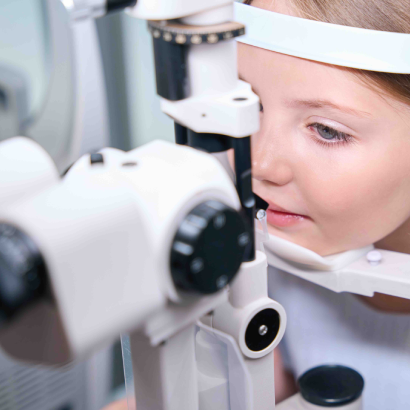
Children with a family history of eye disorders, premature birth, or medical conditions like cerebral palsy or Down syndrome should be evaluated even sooner. Many mild squints may appear harmless, but without proper evaluation, they can result in lazy eye, poor depth perception, or social embarrassment. As a kids optometrist in Kottivakkam, I explain the risks, benefits, and timeline of monitoring or intervention, so parents can make informed decisions and avoid complications in the future.
Signs to Watch
- Misaligned eyes
- Tilting head while reading
- Squinting in bright light
- Covering one eye
- Difficulty focusing
- Frequent eye rubbing
Pediatric Eye Examination Process
When your child visits our Pediatric Clinic in Kottivakkam, the first step is a detailed eye assessment designed to be comfortable and engaging. I examine visual acuity, focusing ability, eye alignment, binocular coordination, and depth perception. Advanced imaging tools, like fundus photography or non-contact refractive measurements, help detect subtle abnormalities that might be missed by routine checks. I explain the process to both parents and children, making it easier for them to understand what we are doing and why it is important.
This examination is crucial because early problems often have no obvious symptoms. Subtle misalignments or visual discrepancies, if left untreated, can interfere with academic performance and long-term visual development. I also provide clear, step-by-step explanations to parents about the results, and whether therapy, lifestyle adjustments, or surgery may be required. The goal is to make the evaluation not only thorough but also informative, empowering parents to actively participate in their child’s eye care journey.
Assessment Includes
- Visual acuity test
- Refraction check
- Eye alignment evaluation
- Depth perception test
- Retinal health screening
- Color vision assessment
Non-Surgical Therapy for Squint
Non-surgical therapy is often the first step in managing squint in children. Depending on the type and severity, treatments may include patching therapy for amblyopia, eye exercises to strengthen weaker muscles, or prism glasses to improve eye coordination. These therapies are designed to encourage proper visual development while preventing progression of misalignment. As a pediatric eye doctor in Kottivakkam, I closely monitor progress and adjust the therapy plan based on your child’s response and developmental milestones.
Therapy is usually gradual and requires patience from both the child and parents. I provide practical home exercises, guidance for screen time, and strategies for making therapy fun and engaging. Many children show significant improvement with consistent therapy, avoiding the need for surgery. My aim is always to empower parents to actively support their child’s vision at home, ensuring that the therapy becomes part of a routine that promotes lasting eye health.
Therapy Methods
- Patching for lazy eye
- Eye exercises
- Prism glasses
- Vision training games
- Progress monitoring
- Corrective lenses for improved focus
Surgical Correction of Squint
Surgery may be necessary if non-surgical therapies are not sufficient or if the squint is severe. Squint surgery realigns the eyes by adjusting the muscles to improve coordination and alignment. The procedure is minimally invasive, precise, and performed under safe, child-friendly conditions. As a kids eye doctor in Kottivakkam, I ensure parents are fully informed about the procedure, recovery, and expected outcomes before moving forward.
The goal of surgery is not only cosmetic improvement but also functional enhancement of binocular vision and depth perception. Recovery is typically quick, and follow-up appointments are scheduled to monitor healing and alignment. Most children experience dramatic improvements in visual function and confidence after surgery. My approach combines advanced techniques with personalised care to ensure safety, comfort, and lasting results.
Surgical Benefits
- Eye alignment correction
- Improved binocular vision
- Enhanced depth perception
- Boosted self-confidence
- Quick, safe recovery
- Reduced eye strain and fatigue
Diabetic Retinopathy—A Silent Threat You Must Not Neglect
If you are diabetic, your retina is constantly at risk. High blood sugar gradually weakens blood vessels, causing leakage, swelling, and vision loss. Many patients feel normal until the disease is in an advanced stage. At my retina clinic in Kottivakkam, we follow a strict monitoring protocol for diabetics because timely treatment can prevent blindness. Regular scans, laser treatment, injections, and lifestyle guidance form the backbone of diabetic eye care.
Even if your vision seems fine, internal retinal changes could already be happening. My duty as your doctor is to ensure you understand the seriousness of diabetic retinopathy and how early treatment can protect your sight. Prevention is always easier than late-stage treatment.
Diabetic Retinopathy Risks
- Progressive swelling affecting central vision
- Silent progression
- Fluid accumulation
- Weak blood vessels
- Sudden bleeding
- Vision loss if ignored
Follow-Up and Long-Term Care
Follow-up is a critical part of pediatric eye care. After evaluation, therapy, or surgery, I schedule regular visits to monitor visual progress, eye alignment, and overall eye health. Long-term care ensures that improvements are maintained and any recurring issues are addressed promptly. Parents are also educated about warning signs and home exercises to support visual development.
Children’s vision continues to mature until adolescence, so ongoing monitoring is essential. Our Pediatric Clinic in Kottivakkam focuses on building a comprehensive care plan that includes routine checkups, therapy adjustments, and support for daily activities. By staying proactive, we can prevent long-term complications and ensure your child achieves the best possible visual outcomes.
Follow-Up Includes
- Visual acuity monitoring
- Eye alignment check
- Therapy progress review
- Post-surgery evaluation
- Parent education
- Treatment plan adjustments
Conclusion
Squint and other pediatric vision issues are not just cosmetic concerns—they can affect vision development, learning, and social confidence. Early evaluation by a pediatric optometrist in Kottivakkam ensures timely detection, effective therapy, and appropriate surgical correction when necessary. Our clinic prioritises a comfortable, informative, and supportive environment for both children and parents.
Whether your child needs therapy, surgery, or ongoing monitoring, our expert team provides personalised care using the latest pediatric ophthalmology techniques. Consistent follow-ups, home guidance, and advanced diagnostics help maintain healthy vision and build a strong foundation for lifelong eye health.
If you notice eye misalignment, head tilting, or vision issues in your child, schedule a consultation with our pediatric eye specialist today. Protect your child’s vision and confidence with expert care.
FAQs – Pediatric Eye Care & Squint Evaluation
-
1. What is a child eye specialist called?
A child eye specialist is called a Pediatric Ophthalmologist.
They are trained to diagnose and treat children’s eye conditions, including squint and lazy eye.
Their evaluation techniques are child-friendly and development-focused. -
2. When should a child first go to the eye doctor?
Your child should have their first eye exam between 6 months and 1 year, then at age 3, and again before school.
Earlier evaluation is needed if you notice misalignment, poor focusing, or abnormal eye movements.
Early detection prevents long-term vision issues. -
3. How to test a 2-year-old’s eyes?
We use non-verbal, child-friendly methods like picture charts, light tracking, and objective refraction tests.
These tests check alignment, focusing, eye movement, and early signs of vision delay.
The process is gentle and designed to keep toddlers comfortable. -
4. Why is my 4-year-old’s eye swollen?
Swelling can be due to allergies, insect bites, mild infections, blocked tear ducts, or rubbing the eye.
Most causes are not serious but should be checked if swelling persists or pain increases.
A proper examination helps identify the exact reason quickly. -
5. Is eye swelling in kids an emergency?
Eye swelling becomes an emergency if it is associated with fever, severe pain, reduced vision, or difficulty opening the eye.
These may indicate an infection like cellulitis that needs immediate treatment.
If in doubt, visit a pediatric ophthalmologist right away.

